
Cleaning
Cleaning Homes with Pets: Fur Removal, Cat Litter & a Healthier Routine
By Tidy Author · October 17, 2026
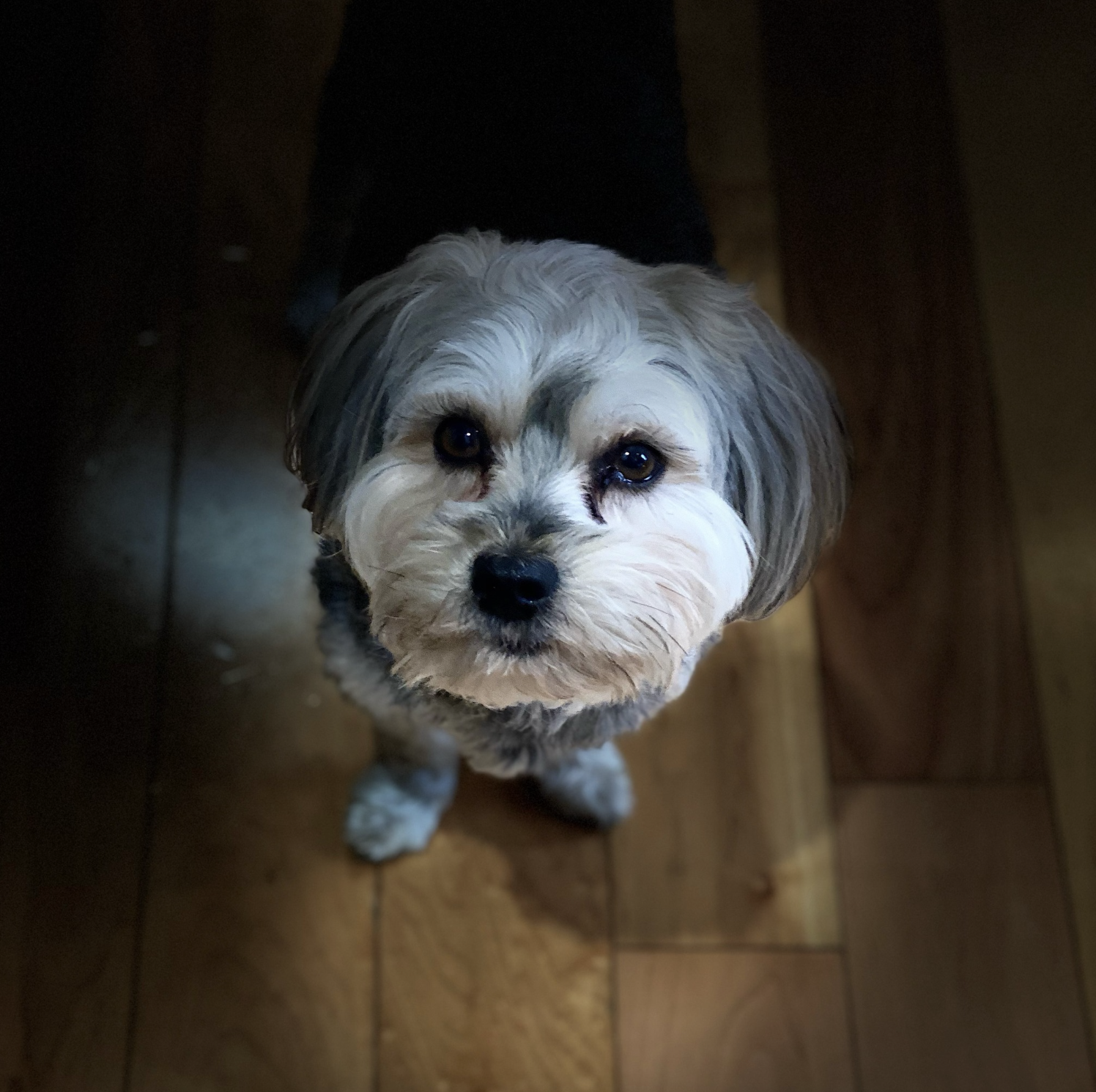
Pets bring companionship, personality and a little extra mess into our homes. Fur collects along baseboards, paw prints appear on floors, and litter can travel well beyond the box. A thoughtful cleaning routine lets you enjoy life with your animals without letting those everyday messes take over.
At Tidy Transformers, we believe a comfortable home should work for everyone who lives there—including your pets. Here is what matters most when cleaning a pet household, why hygiene deserves attention, and what to discuss when arranging professional help.
Why pet-home cleaning matters for health
Visible fur is only part of the picture. Pet allergens come from proteins in dander, saliva and urine—not simply from the hair itself. Fur and household dust can carry those allergens onto furniture, textiles and floors. Regular cleaning can reduce accumulated dust, allergens and soil, while good litter hygiene limits contact with animal waste.
Cleaning is not a treatment for allergies or asthma, and no service can promise an allergen-free or germ-free home. If someone has persistent symptoms, speak with a healthcare professional. Tell your cleaning team about sensitivities so the visit can be planned carefully.
Fur removal: look beyond the middle of the floor
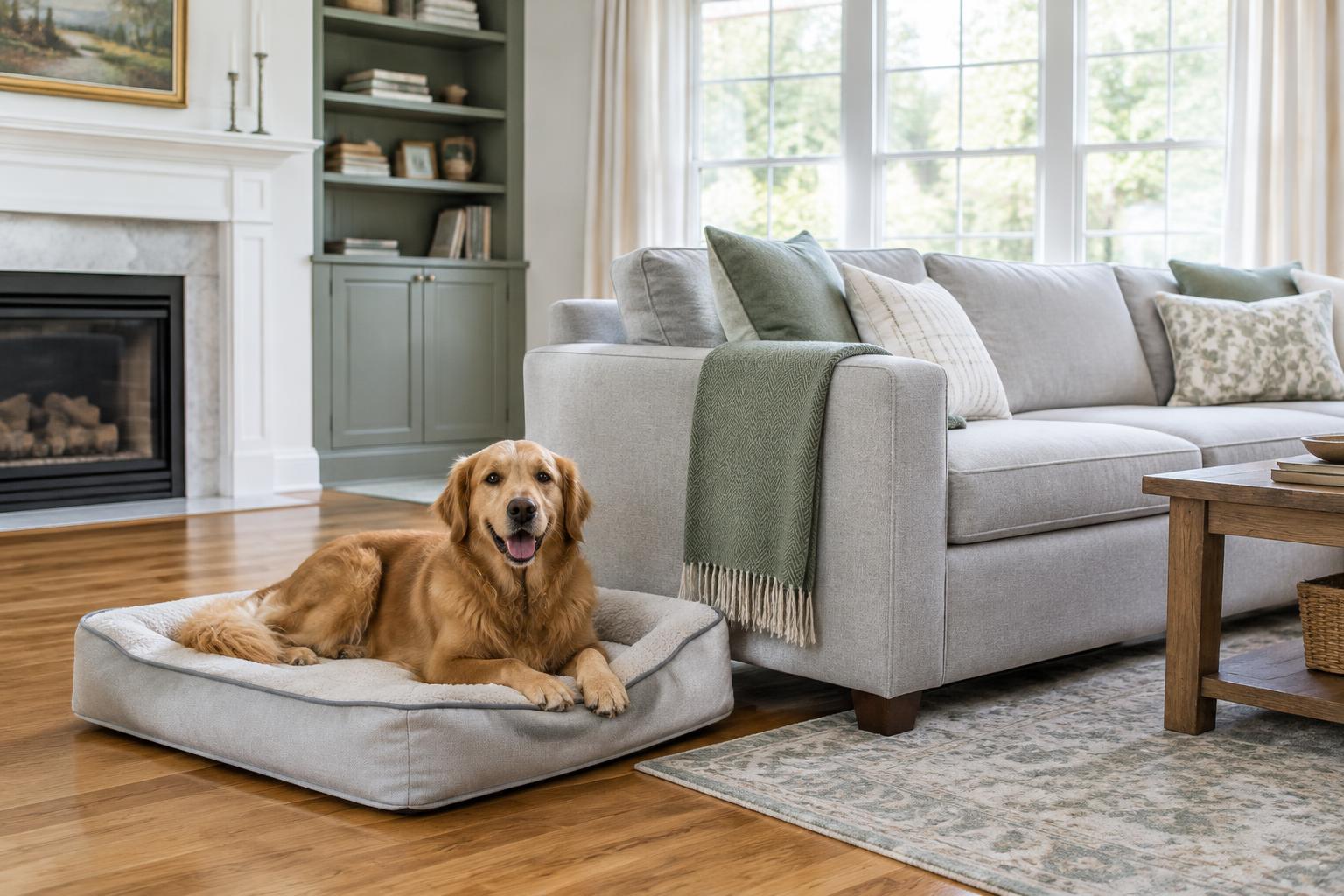
The places pets love most tend to collect the most hair: sofa seams, rug edges, stair corners, bedding and the space under furniture. Removing loose fur before wet cleaning helps avoid pushing it around or leaving it stuck to a freshly mopped floor.
- Vacuum accessible floors, rugs and upholstery with suitable attachments; a HEPA-filter vacuum can help capture small particles.
- Use an upholstery-safe lint tool or rubber brush for embedded fur, checking the fabric care instructions first.
- Damp-wipe baseboards, ledges and hard surfaces instead of scattering dust with dry sweeping.
- Wash removable throws and pet bedding according to their care labels, and dry them completely.
- Maintain the vacuum and its filters according to the manufacturer’s instructions; full bags and clogged filters reduce performance.
People with allergies may prefer to stay out of rooms while vacuuming or dusting, since cleaning can temporarily stir particles into the air. Regular grooming, guided by your veterinarian or groomer, also helps manage shedding between cleaning visits.
Cat litter cleaning: a daily task, not just a cleaning-day task
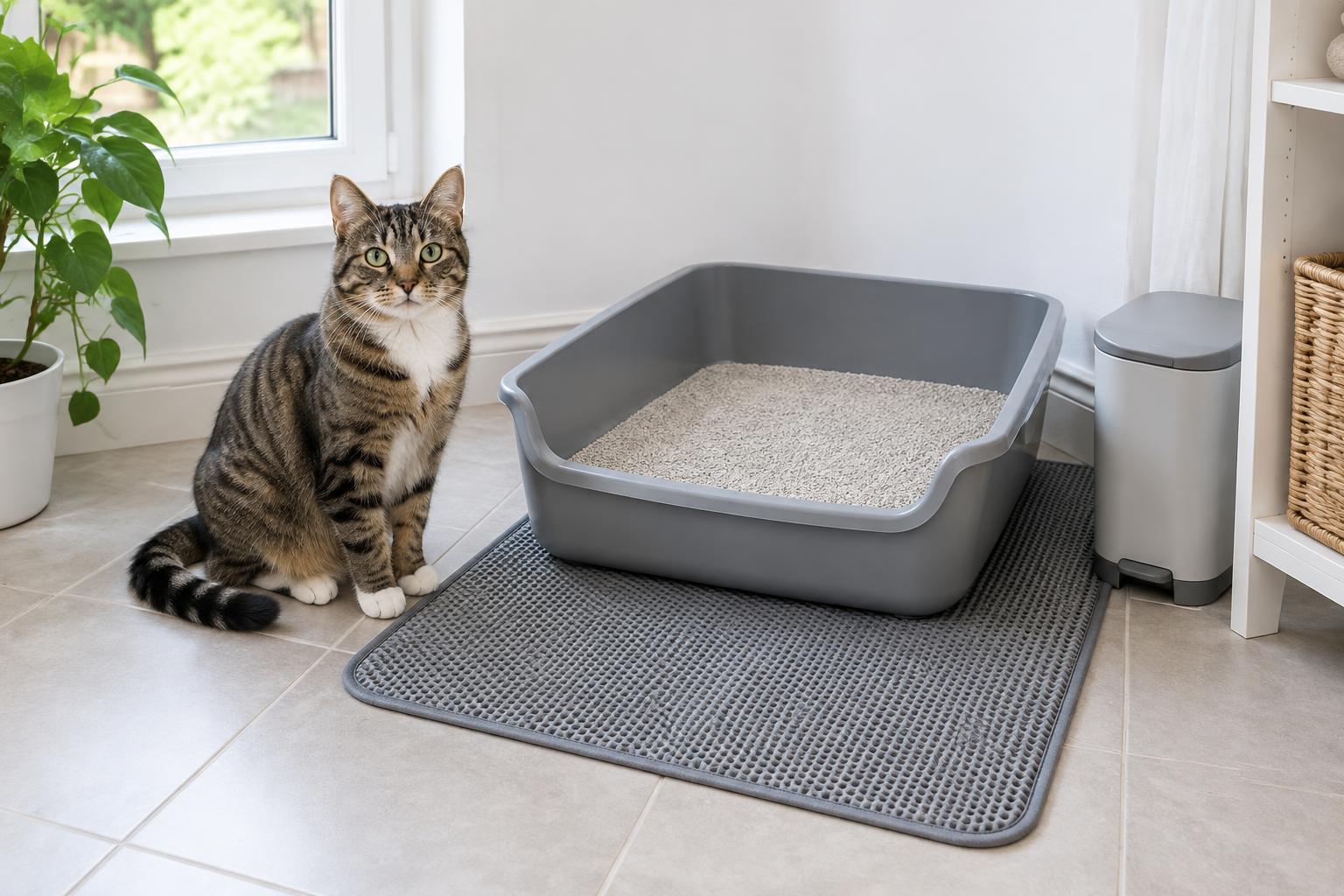
Scoop the litter box every day, dispose of waste in a sealed bag, and wash your hands with soap and water afterward. A washable mat can catch tracked litter, but the floor around the box still needs regular attention. Keep litter tools separate from kitchen and other household cleaning supplies.
When it is time to fully refresh the box, follow the litter and tray manufacturer’s directions: empty it, wash with an appropriate soap or detergent and water, rinse well, and dry before refilling. Keep the box away from food preparation areas. Avoid washing litter equipment in the kitchen sink; if you use a bathroom or utility area, clean that area afterward.
Extra care during pregnancy or with a weakened immune system
CDC advises pregnant people to have someone else change cat litter whenever possible because of toxoplasmosis risk. If that is not possible, use disposable gloves and wash hands afterward. Daily scooping matters because the parasite generally takes 1–5 days after being shed to become infectious. People with weakened immune systems should ask their clinician about appropriate precautions. Ordinary disinfectants should not be assumed to eliminate this parasite.
A professional cleaning visit does not replace daily litter care. If you want Tidy Transformers to address the surrounding floor, litter tracking, the box itself or pet-waste cleanup, describe those needs at the estimate and confirm which tasks can be included. Do not assume litter handling is part of a standard house clean.
Cleaning and disinfecting are different jobs
Cleaning removes dirt and many germs with soap or detergent and water. Disinfecting uses chemicals to kill specified germs on suitable surfaces. Routine cleaning is usually enough for many household situations; disinfection may be appropriate after contamination, when someone is sick, or when a clinician or veterinarian recommends it.
- Remove fur, soil and waste first. Disinfectants work according to their labels, not as a shortcut around cleaning.
- Choose a product approved for the surface and intended use. Follow its dilution, ventilation and wet contact-time instructions.
- Never mix cleaning products. In particular, do not combine bleach with ammonia-containing products or apply it directly to urine; dangerous fumes can result.
- Keep pets and children away during treatment and until the label’s re-entry directions are met. Rinse when required and let items dry fully.
- Do not apply household disinfectants to pets. A product described as natural or pleasantly scented is not automatically safe for animals.
If a pet has a contagious illness, ask your veterinarian which cleaning method is needed and share those instructions before arranging service. A household disinfectant’s germ claims do not mean it works against every animal pathogen or parasite.
Other pet-home details worth including in your routine
- Food and water areas: wash bowls regularly using their care instructions and clean spills around feeding mats. Keep food sealed and separate from cleaning products.
- Accidents and odors: blot fresh accidents promptly and use a surface-compatible enzymatic cleaner as directed. Test first; persistent odors may come from carpet padding or other materials that need specialist attention.
- Paw traffic: clean entry mats and frequently used floor paths. Use floor products appropriate for the finish and avoid leaving slippery residue.
- Toys and bedding: separate washable items from those that need hand cleaning, and replace damaged items that cannot be safely cleaned.
- Indoor air: maintain ventilation and HVAC filters according to equipment guidance. Strong fragrance masks odors rather than removing their source.
- Pet supplies: organize leashes, grooming tools and unopened food so cleaning areas remain accessible and routines are easier to maintain.
Why hire Tidy Transformers for a home with pets?
Between work, family and pet care, detailed house cleaning can slip down the list. Tidy Transformers offers residential cleaning and home organizing, so you can discuss both the dirt that needs removing and the clutter that makes your routine harder. A recurring clean can help keep buildup manageable; a deep clean may be a useful starting point when corners, baseboards and frequently used rooms need more attention.
Our women-owned, licensed and insured business serves Montgomery County, Central Maryland, Washington DC and Northern Virginia. Whether you are in Rockville, Bethesda, Chevy Chase, Gaithersburg, Potomac or elsewhere in our service area, contact us to confirm availability and plan the work around your household.
What to tell us before your visit
- How many pets live in the home, where they spend time, and which areas collect the most fur.
- Any household allergies, asthma, fragrance sensitivities or veterinarian-provided cleaning instructions.
- The surfaces and fabrics that need attention, including rugs, upholstery and delicate flooring.
- Whether you need litter-area cleaning, accident treatment or waste handling; confirm scope, suitability and any additional work in advance.
- Where pets can stay comfortably during cleaning, and any escape risks or access instructions.
Start with a free, no-obligation estimate of about 30 minutes. Call (240) 753-5829 or contact us through the website, and book at least one week ahead of your preferred cleaning date. Together, we can plan a cleaner, more manageable home—without promising medical results or overlooking your pets’ safety.
Trusted guidance for pet households
This article offers general household hygiene information, not medical or veterinary advice. For personal health concerns, sick pets or specialized contamination, consult the appropriate professional. These resources explain the precautions behind the advice above.